Tulum in Low Season: The Honest Version
By Karla & Max · · Travel Planning
Most guides about Tulum are written about February. Blue sky, dry air, a beach with nobody on it, and a nightly rate that costs as much as a flight. That version of Tulum is real. It is also not the version you get in September.
We are not going to pretend the low season is secretly the best time to come. It rains. It is hot in a way that is hard to describe until you have stood in it. Some of the beaches get seaweed. If you want guaranteed postcard weather, come in January and pay January prices.
But a lot of people would genuinely have a better trip between July and October, and nobody tells them why. So here is the honest version.
What the Rain Actually Does
The word people fixate on is rain, and they picture a washed-out week. That is not usually how it works.
Rain in Tulum during these months tends to arrive as an afternoon event. The morning is bright and hot. By two or three in the afternoon the sky goes dark and heavy, it rains hard for twenty or thirty minutes, and then it stops and the sun comes back like nothing happened. The streets steam. Everything smells like wet limestone and jungle.
You plan around it rather than fighting it. Mornings are for the beach and the ruins. Afternoons are for the pool, a long lunch, a nap, or a cenote. Evenings are usually clear.
There are exceptions, and there are days that are simply grey and wet from morning to night. There are just fewer of them than the forecast icons suggest. A weather app showing a week of thunderstorm symbols in Tulum usually means a week of pleasant mornings and short violent afternoons.
The Heat Is the Real Thing to Plan For
The rain is manageable. The heat and humidity are what actually change how you spend a day.
Daytime temperatures sit in the low to mid thirties Celsius, and the humidity makes it feel considerably warmer. Walking around the ruins at midday in August is genuinely unpleasant and occasionally unwise. This is not a complaint about the weather, it is a scheduling constraint.
What it means in practice: you get up earlier than you would at home. Ruins and beach before eleven. Something shaded or indoors in the middle of the day. Back out when the light goes long and gold around five.
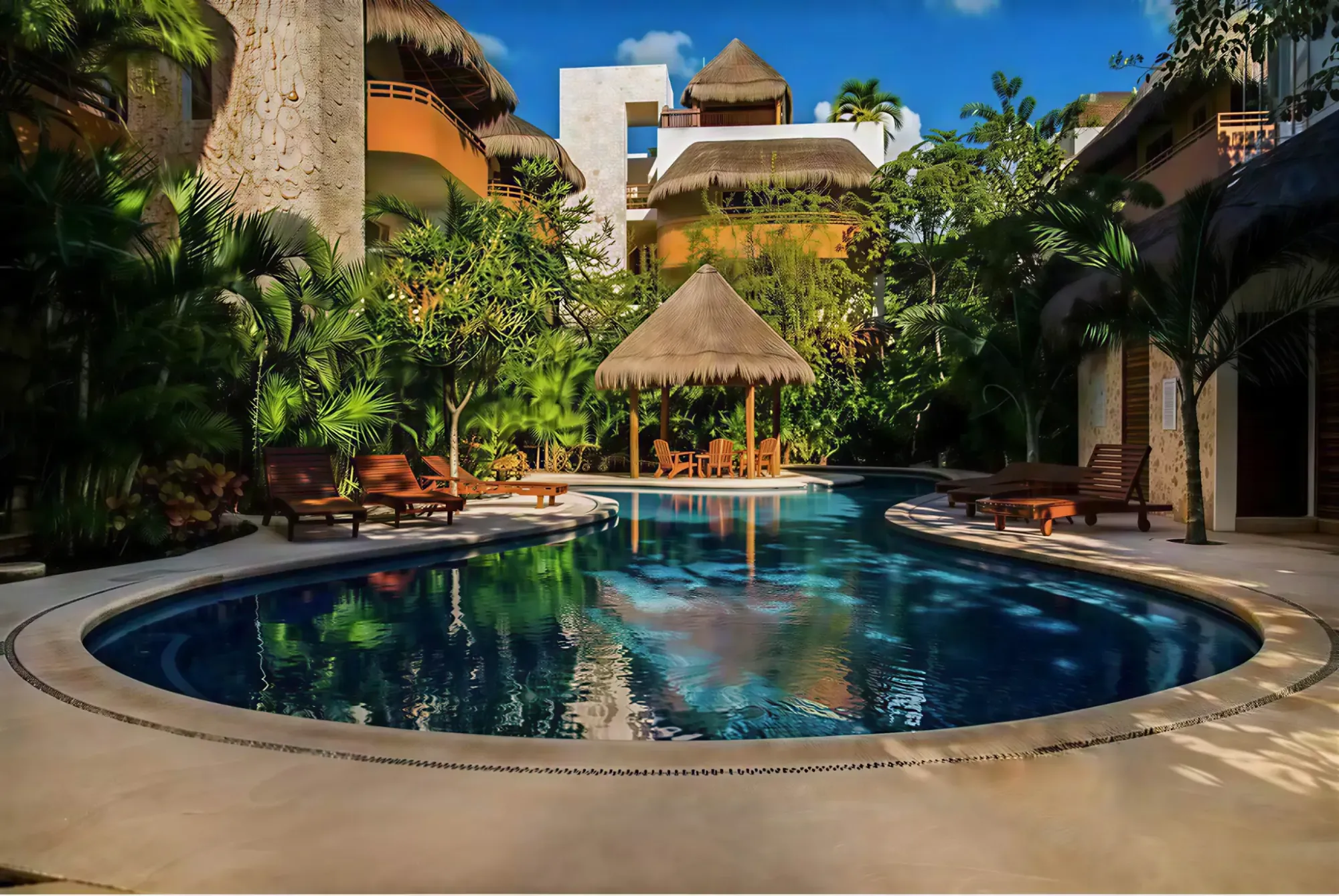
It also means air conditioning stops being a luxury item and becomes the thing your whole trip depends on. A place with working air conditioning in every room, rather than one unit in the living room, is the difference between sleeping well and not sleeping.
Cenotes Are the Low Season Superpower
Here is the part that genuinely flips the argument.
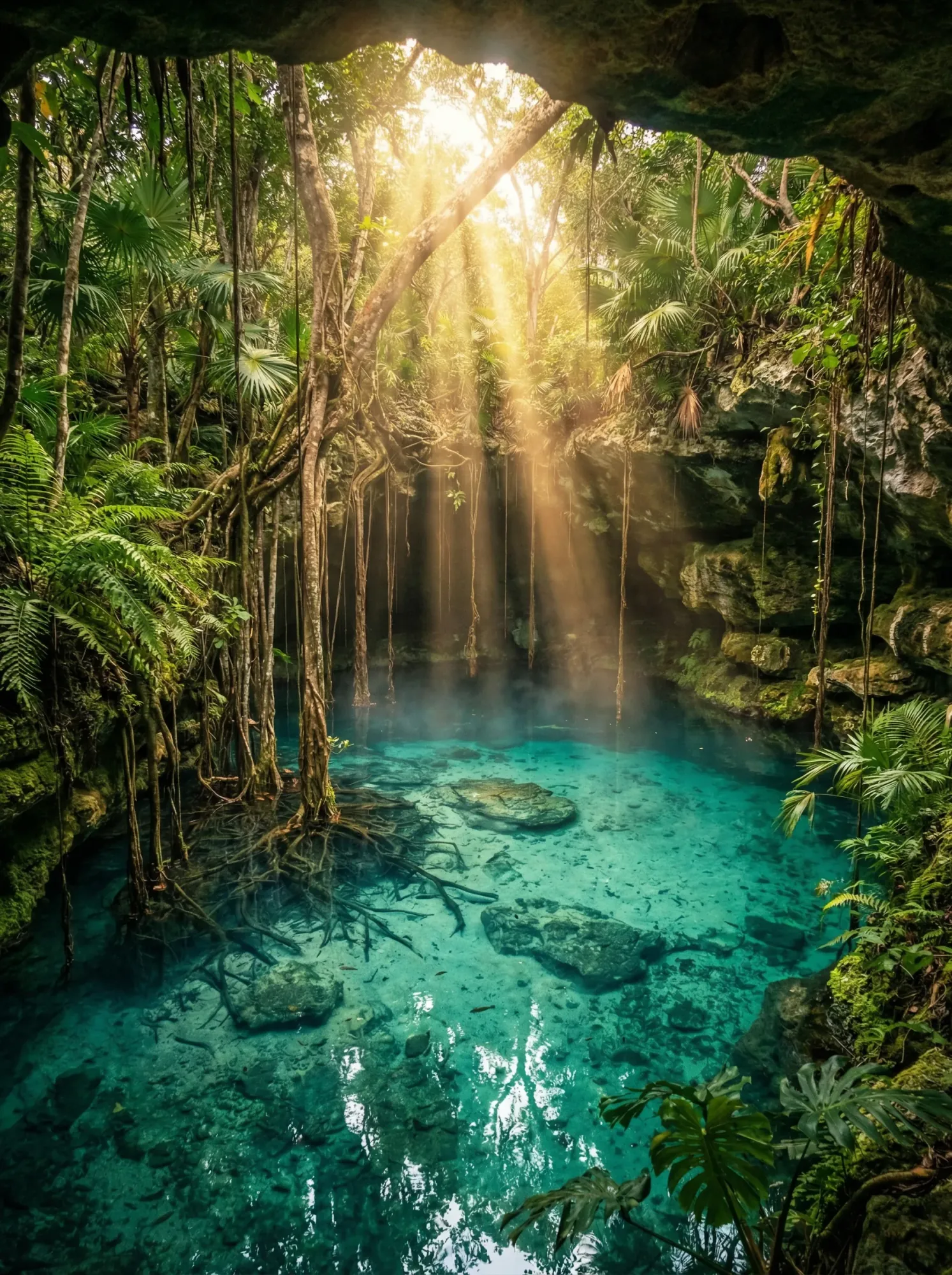
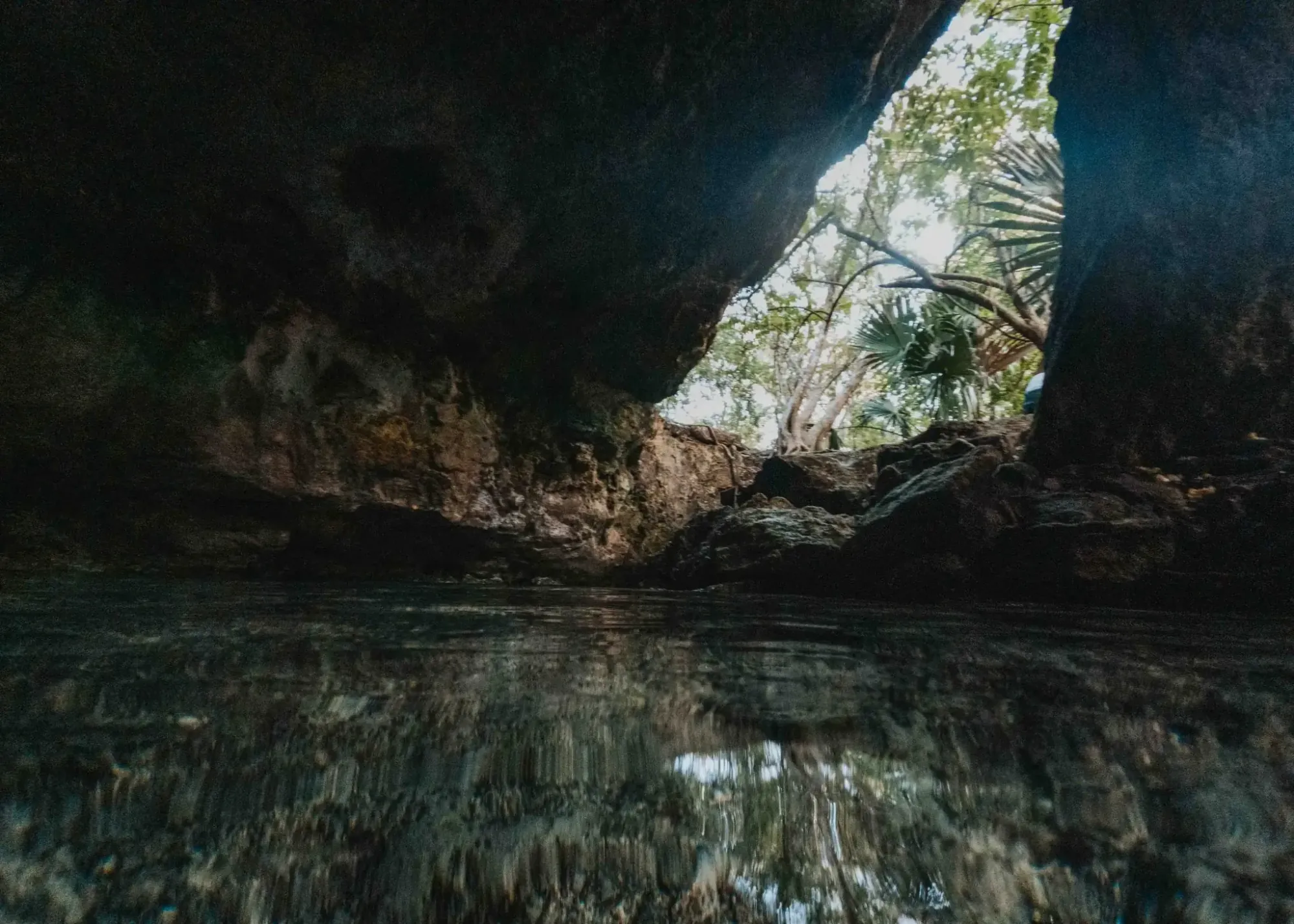
Cenotes are freshwater sinkholes, mostly inland, mostly shaded by jungle, and often partly or completely underground. The water sits somewhere around twenty-four or twenty-five degrees year round. It does not care what the sky is doing.
When it rains in the afternoon, a cenote is the best place in the entire region to be. You are already wet. The water is cool when the air is not. The crowds that queue at the famous ones in February are simply not there. We have been in cenotes in September that had four people in them.
If your trip is built around cenotes rather than beach clubs, low season is arguably better than high season, not worse. Fewer people, cooler water than the air, and the jungle around them at its greenest.
The beaches are a more mixed picture, which brings us to the thing most guides skip.
Sargassum: The Honest Bit
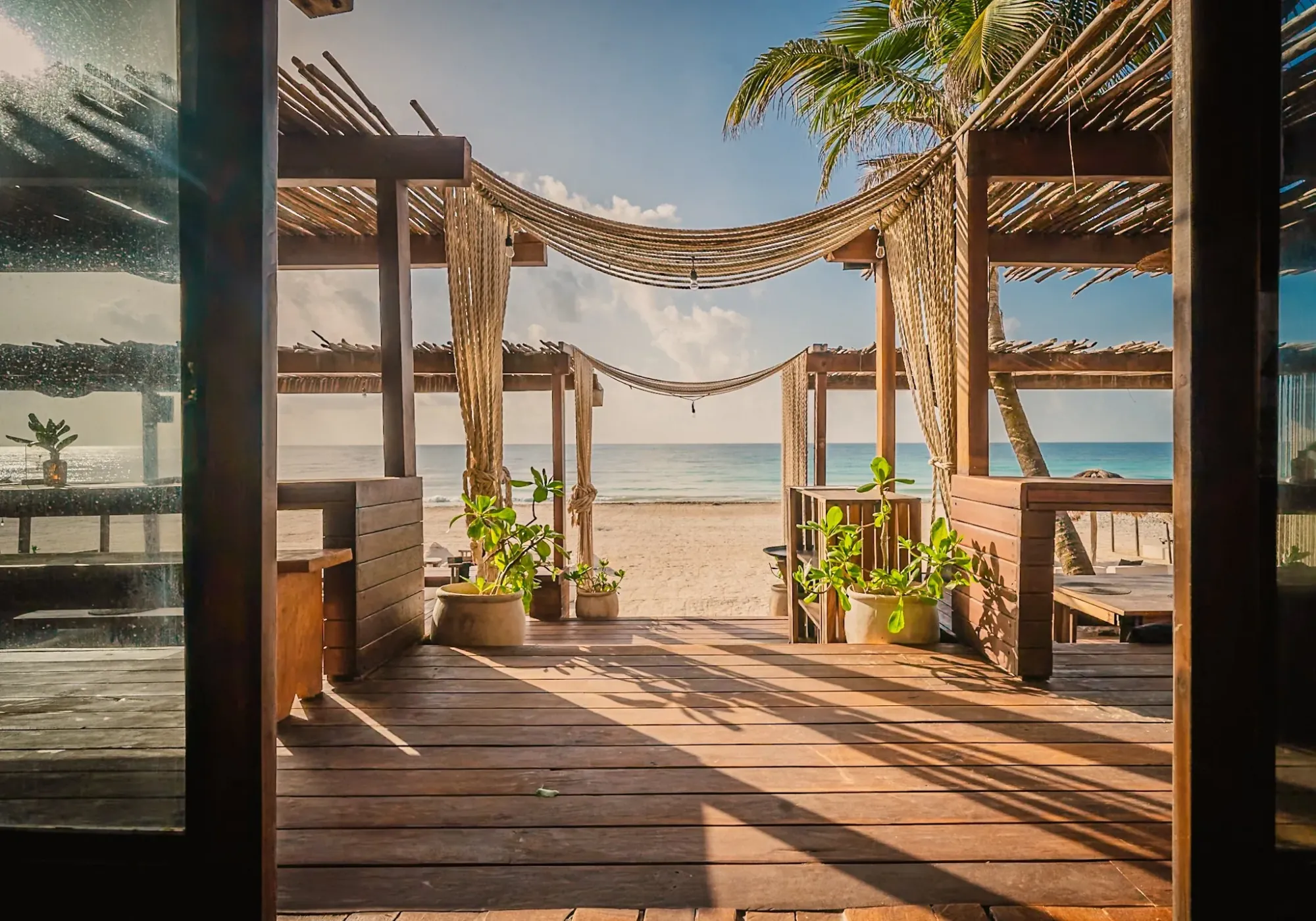
Sargassum is a brown seaweed that drifts into the Caribbean coast in variable amounts, generally worst somewhere between spring and early autumn. Some years are heavy. Some are barely noticeable. It varies week to week and beach to beach, and nobody can reliably predict it more than a few days out.
When it arrives it can smell, and it makes swimming from that stretch of beach unappealing. Hotels and beach clubs on the main strip clear their own frontage, with varying diligence.
We are not going to tell you it is not a problem, because sometimes it is. What we will say is that it does not affect the cenotes at all, it does not affect the pool, and it moves. A beach that is unusable on Tuesday is often fine by Friday.
If a guaranteed swimmable ocean every single day is the point of your trip, low season carries real risk. If the ocean is one of several things you want to do, it is a manageable one.
Hurricanes, Practically
Atlantic hurricane season runs from the start of June to the end of November, with the highest activity generally around September. This sounds more alarming than the day-to-day reality: in most years, most visitors experience nothing more than heavy rain.
The practical advice is unglamorous. Take travel insurance that covers weather disruption. Book somewhere with a cancellation policy you can live with. Keep an eye on forecasts in the week before you fly rather than the month before. That is genuinely it.
Aldea Zama sits inland from the beach road, in a solid modern building rather than a palapa on the sand, which is worth knowing if weather is on your mind.
The Thing Nobody Advertises: It Is Quiet
This is the part that does not photograph well and is the main reason we like these months.
In February, Tulum is busy in a way that changes its character. Restaurants need booking. The road to the beach is a queue. The famous cenotes have a line at the entrance and forty people in the water.
In September, you walk into places. The ruins have space in them. The person making your food has time to talk to you. The town feels like a town rather than a venue.
For a lot of people, that trade is worth more than a guaranteed dry week. You are not competing for the place with anyone.
If You Work Remotely, This Is the Sweet Spot
Low season and remote work fit together unusually well.
The rain that ruins a seven-day holiday is irrelevant across a month. An afternoon downpour is just an afternoon you were going to be working through anyway. The heat matters less when you are indoors with air conditioning during the worst of it. And longer stays are priced very differently from a week, which makes a month somewhere with a proper desk, fast internet and a washing machine genuinely competitive with staying home.
If you have the flexibility to come for a month rather than a week, low season is when that flexibility is worth the most.
Who Should Not Come in Low Season
We would rather you have a good trip than just any trip, so plainly:
If you have one week a year off and you need it to be perfect, come in the dry season and pay for it. If you are travelling specifically to lie on a beach every day, the sargassum risk is real. If heat genuinely bothers you, August will be miserable.
If you are flexible, curious, happy to plan your days around the weather rather than against it, interested in cenotes and ruins and food as much as sand, or coming for long enough that individual days stop mattering, then these are good months. Quieter, greener, cheaper, and a lot more like the place people fell in love with before it got busy.
Practical Notes
Bring a light rain layer, not an umbrella, since the rain comes sideways and stops quickly. Reef-safe sunscreen, because the cenotes need it and some will turn you away without it. Mosquito repellent, more than you think, particularly at dusk in the greener months. A refillable bottle, since tap water is not for drinking anywhere in Mexico and every rental should be providing drinking water.
Rent a bike. Tulum is flat, the distances are short, and a bike turns the heat into a breeze instead of a wall.
And book somewhere with air conditioning in every room, a pool, and shade. In these months, the place you stay stops being a base and becomes part of the holiday.